funnelr
Quiz funnels that actually qualify buyers (not just collect emails)
A quiz funnel asks a few questions and recommends the right offer. Here's how to write questions that change the answer, score them so the result is logical, and use the results to sell honestly.

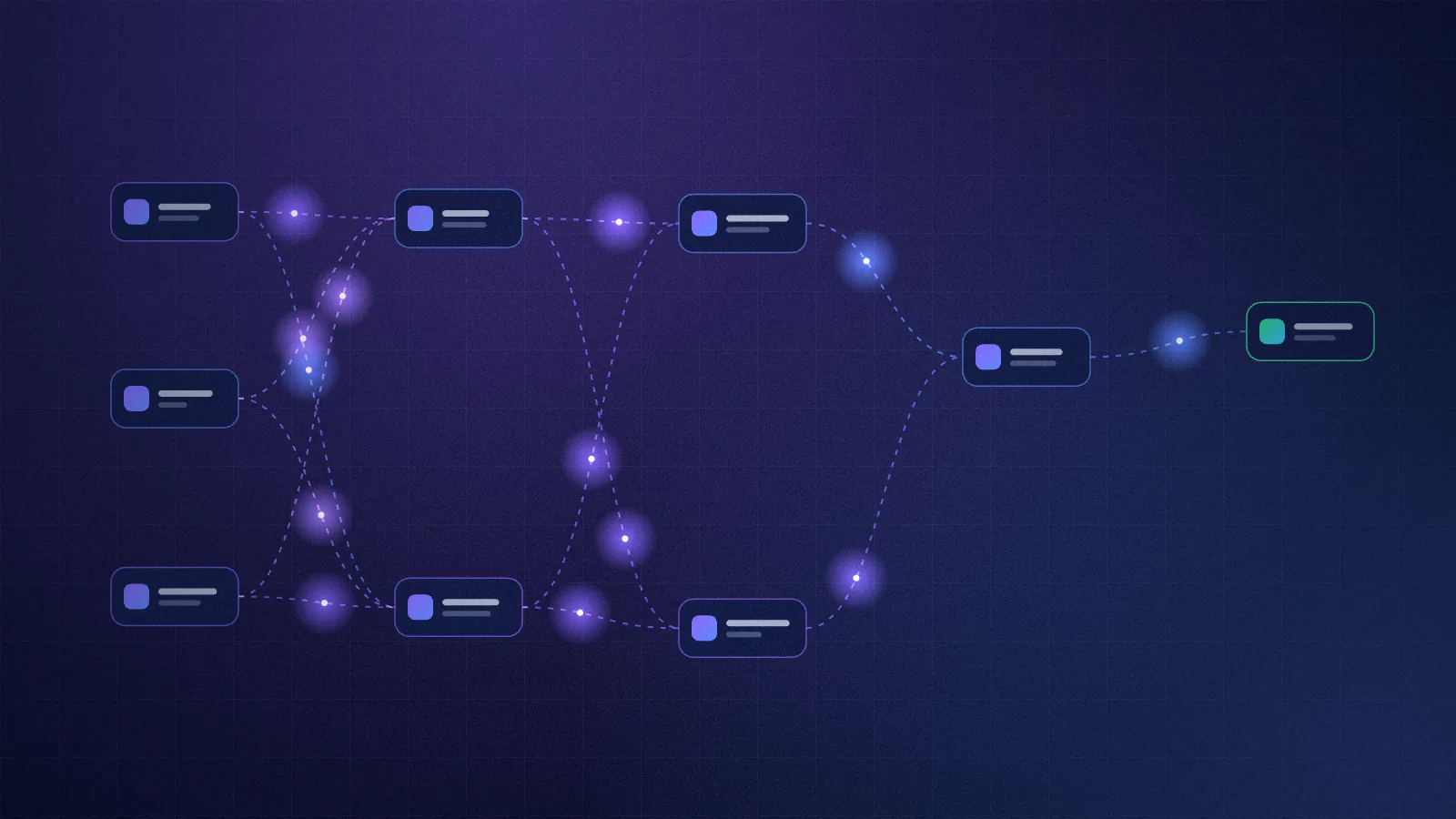
A quiz funnel asks a visitor a few questions and recommends the offer that fits them, with a buy button for that offer. Done well, it does three jobs at once: it qualifies the buyer, it collects an email from people who aren't ready, and it tells you what your audience actually wants. Done badly, it's a lead magnet in disguise: five questions that all lead to the same product, whatever you answer.
The difference is whether the questions change the result. This post is about building the first kind.
Why quizzes work
People don't like being sold to. They do like being asked about themselves. A quiz turns "here's my product" into "tell me where you are and I'll tell you what fits", and the answer arrives in their own words.
It also solves a real problem if you sell more than one thing. A course, a coaching package and a free guide aren't competing offers. They're for different people at different stages. A quiz sends each person to the right one instead of making them work it out from a pricing page.
The test: does every question matter?
Before you write the results, write down what each question is for. Every question should do one of three things:
- Change the result. "Have you used an AI coding tool before?" changes whether someone should build it themselves or get it done for them.
- Personalise the result. "What do you pay for today?" doesn't change the recommendation, but it lets the result say "you'd stop paying $97 a month".
- Route to a different branch. "I don't have an offer yet" skips the questions that only matter to people who are selling.
If a question does none of those, cut it. Every extra question costs you people who quit halfway.

Scoring that makes sense
There are two ways to turn answers into a result, and the best quizzes use both.
Rules first. Some answers decide the result on their own. If someone says they don't have an offer yet, the honest result is "start with the free guide", no matter what else they said. Write those as rules: if this answer, then that result. They're checked before anything else.
Points for the rest. For everything else, each answer adds points to one or more results, and the result with the most points wins. "I enjoy tinkering with AI tools" adds 3 to build it yourself. "I'd rather spend launch week on my content" adds 3 to done for you.
A few habits that keep the scoring logical:
- Give the big questions the big points. The one or two questions that really decide it should be worth 3. Nudges are worth 1.
- Decide ties on purpose. When two results score the same, the quiz picks the first one listed. Put the safer recommendation first.
- Check the combinations. Take the quiz with the answers of your three most common buyers and make sure each lands where you'd send them yourself.
Show the reasons
The best thing you can add to a quiz result is why. Not just "You want it done for you", but:
- You haven't used an AI coding tool yet, so having us set it up saves you the learning curve.
- You'd rather spend launch week on your content.
- You'd stop paying GoHighLevel from $97 a month.
Each answer can carry a reason, shown only with the results it supports, so it never contradicts the recommendation. Reasons turn a result from a guess into an argument, and people buy arguments.
Make it honest
A quiz that always says "buy the expensive thing" is a sales page with extra steps, and people notice. Include a result that says don't buy yet when that's true. Funnelr's own quiz (try it) tells people without an offer to take the free guide and come back later.
That sounds like leaving money on the table. In practice it does two things: it makes every other result more believable, and it captures an email from someone who'll be ready in a month.
Where to ask for the email
You have three choices:
- Before the result ("Where should we send your result?"): the most emails, the most drop-off. Good when the result is long or personal.
- After the result, next to the free gift: fewer emails, no drop-off, and the people who sign up are genuinely interested.
- As a question in the middle, with a skip button: a gentle middle ground.
If your quiz is mostly for qualifying buyers, ask after. If it's mostly for growing your list, ask before. Don't ask for a phone number unless you're going to call.
Make it feel good to take
Small things decide whether people finish:
- One question per screen, with a progress bar.
- Big tap targets, and keyboard shortcuts on desktop (A, B, C to answer, Enter to continue).
- A back button. People change their minds.
- Short labels. "Coaching or a membership", not a paragraph.
- Five to seven questions. Fewer is better if they all matter.
Funnelr's quizzes work this way out of the box, on any page or at their own address, styled in your site's colours.
Read the answers
The quiz results are research you'd pay for. Look at:
- Where people stop. If a third of people quit at question 3, question 3 is confusing or too personal.
- The answer split. If 60% say "coaching or a membership" and you mostly sell a course, that's a product decision waiting to happen.
- Results vs sales. Which result converts best? If done for you sells twice as well as build it yourself, your page should lead with it.
Funnelr's admin has a Quizzes page with all of this: starts, the step where people stop, every answer, the results, the latest responses with emails, and a CSV. Finished quizzes also go to the API and can trigger a webhook, so they can land in your other tools.
Writing your first one
A template that works for most offers:
- What are you trying to do? (routes and personalises)
- Where are you now? (beginner, some progress, already doing it: often decides the result)
- What's in the way? (time, money, know-how: picks the offer)
- How do you want to get there? (yourself, with help, done for you: picks the offer)
- What have you tried? (personalises the reasons)
Then three results: the self-serve product, the premium or done-for-you option, and the free starting point. Ask your AI to write it from your offers and check every combination against the rules above.
FAQ
What is a quiz funnel?
A short quiz on your site that recommends a product or a free resource based on the visitor's answers, usually with a buy button for the recommendation and an email form.
How many questions should a quiz funnel have?
Five to seven, and only questions that change the result, change what it says, or skip ahead. Fewer questions means more people finish.
Should I ask for the email before or after the result?
Before gets more emails and more drop-off. After gets fewer, better emails. If the quiz is mainly for qualifying buyers, ask after; if it's mainly for building your list, ask before.
How do I make quiz results accurate?
Use rules for answers that decide the result on their own, points for the rest, give the deciding questions the most points, and test the combinations your real buyers would pick.